Healthy Sautéed Vegetables
Quick and flavorful, Healthy Sautéed Vegetables are a nutritious addition to any meal. This vibrant dish is not only easy to prepare but also versatile enough to complement various cuisines. Whether you’re serving it as a side or mixing it into a main course, these sautéed vegetables bring out the best in fresh produce while providing essential nutrients.
Why You’ll Love This Recipe
- Quick Preparation: With just 10 minutes of prep time, you can have a delicious side dish ready in under 30 minutes.
- Nutrient-Packed: This medley of colorful vegetables will boost your daily intake of vitamins and minerals.
- Versatile Usage: Perfect as a side dish, stir-fry base, or even as a topping for grains and salads.
- Flavorful Experience: A mix of garlic, lemon juice, and optional seasonings enhance the natural flavors of the vegetables.
- Customizable Ingredients: Feel free to swap in your favorite seasonal veggies or add proteins like chicken or tofu for a complete meal.
Tools and Preparation
To create your Healthy Sautéed Vegetables, having the right tools makes all the difference. Here’s what you’ll need to get started.
Essential Tools and Equipment
- Skillet or frying pan
- Cutting board
- Sharp knife
- Spatula
Importance of Each Tool
- Skillet or frying pan: A wide surface allows for even cooking and proper sautéing of vegetables.
- Cutting board: Provides a safe space for chopping ingredients without damaging your countertops.
- Sharp knife: Ensures clean cuts for quicker cooking and better presentation.
Ingredients
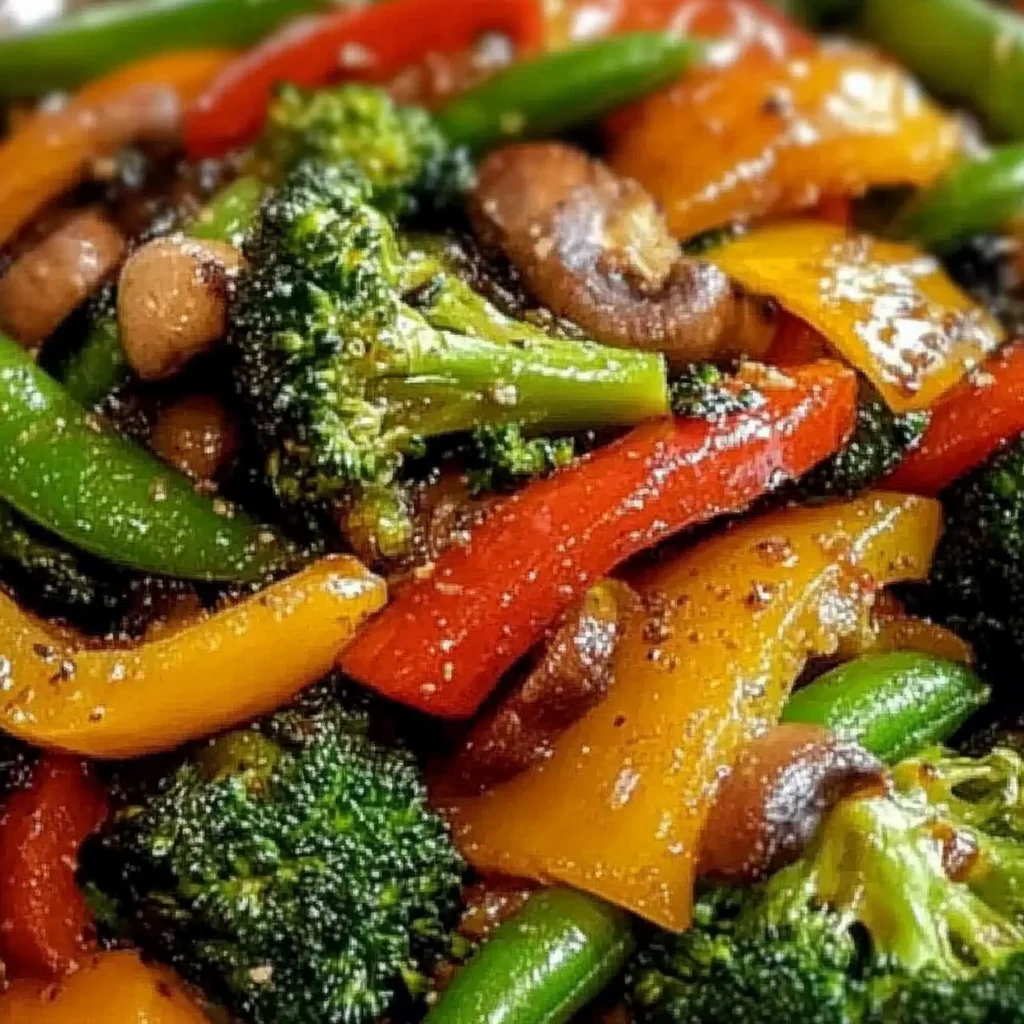
Quick and flavorful sautéed vegetables, packed with nutrients and versatile for any meal.
For the Sautéed Vegetables
- 2 tbsp olive oil (or avocado oil/butter)
- 2 cloves garlic, minced
- 1 small onion, thinly sliced
- 1 medium bell pepper, sliced
- 1 medium zucchini, sliced into half-moons
- 1 cup broccoli florets
- 1 medium carrot, julienned or sliced thin
- ½ cup snap peas
- ½ cup mushrooms, sliced
- Salt and black pepper, to taste
- 1 tsp lemon juice (optional)
- 1 tsp balsamic vinegar or soy sauce (optional)
- Optional toppings: toasted nuts, seeds, fresh herbs, grated Parmesan
How to Make Healthy Sautéed Vegetables
Step 1: Prepare Your Ingredients
Begin by gathering all your ingredients. Wash the vegetables thoroughly. Chop them as specified in the ingredient list to ensure uniform cooking.
Step 2: Heat the Oil
In your skillet or frying pan over medium heat, add the olive oil. Allow it to heat until it’s shimmering but not smoking.
Step 3: Sauté Aromatics
Add the minced garlic and sliced onion to the skillet. Sauté for about 2 minutes until they become fragrant and translucent.
Step 4: Add Remaining Vegetables
Introduce the bell pepper, zucchini, broccoli florets, carrot, snap peas, and mushrooms into the pan. Stir well to combine all the ingredients.
Step 5: Season and Cook
Sprinkle salt and black pepper over the mixture. Cook for about 8–10 minutes while stirring occasionally until all vegetables are tender but still crisp.
Step 6: Finishing Touches
If desired, add lemon juice and balsamic vinegar or soy sauce for extra flavor. Stir well before removing from heat.
Step 7: Serve
Transfer your healthy sautéed vegetables to a serving bowl. Top with toasted nuts, seeds, fresh herbs, or grated Parmesan if desired. Enjoy!
How to Serve Healthy Sautéed Vegetables
Serving healthy sautéed vegetables can elevate your meal and add a burst of color to your plate. These vibrant veggies are not only nutritious but also versatile, making them a perfect side for various dishes.
As a Side Dish
- Pair them with grilled chicken or turkey for a well-rounded meal.
- Serve alongside quinoa or brown rice for added fiber and nutrients.
In a Wrap
- Use whole grain wraps filled with sautéed vegetables and your choice of protein.
- Add hummus or avocado for creaminess and flavor.
Over Pasta
- Toss the sautéed vegetables with whole grain pasta and olive oil for a light dish.
- Sprinkle fresh herbs like basil or parsley to enhance flavor.
On Top of Salad
- Combine with fresh greens to create a colorful salad.
- Drizzle with balsamic vinegar for a tangy finish.
How to Perfect Healthy Sautéed Vegetables
To achieve the best flavor and texture in your healthy sautéed vegetables, consider these essential tips.
- Choose seasonal vegetables: Using fresh, in-season produce enhances taste and nutrition.
- Cut uniformly: Slice vegetables into equal sizes for even cooking.
- Don’t overcrowd the pan: Sauté in batches if necessary to avoid steaming instead of sautéing.
- Control the heat: Start on medium-high heat to get that nice sear, then reduce if needed to prevent burning.
- Add garlic last: To preserve its flavor, add minced garlic towards the end of cooking.
Best Side Dishes for Healthy Sautéed Vegetables
Complement your healthy sautéed vegetables with these delicious side dishes that enhance any meal experience.
- Quinoa Pilaf: Fluffy quinoa cooked with herbs and spices makes a hearty base.
- Brown Rice: A simple yet nutritious option that pairs well with almost anything.
- Lentil Salad: Protein-packed lentils tossed with fresh veggies and herbs add texture.
- Garlic Mashed Cauliflower: Creamy cauliflower mash offers a low-carb alternative to potatoes.
- Couscous: Light and fluffy, couscous is quick to prepare and absorbs flavors beautifully.
- Roasted Sweet Potatoes: Their natural sweetness complements the savory flavors of sautéed veggies.
Common Mistakes to Avoid
Sautéing vegetables can be easy, but small missteps can affect the final dish. Here are common mistakes and how to avoid them.
- Boldly skip the prep: Failing to chop vegetables uniformly can lead to uneven cooking. Take time to cut all vegetables into similar sizes for consistent results.
- Boldly overcrowd the pan: Adding too many vegetables at once will steam instead of sauté. Cook in batches to allow for proper browning and flavor development.
- Boldly ignore seasoning: Neglecting to season during cooking can result in bland vegetables. Season with salt and pepper throughout the process for enhanced taste.
- Boldly forget about heat control: Using high heat the entire time can burn veggies. Start on medium-high heat and adjust as needed for even cooking.
- Boldly skip the oil: Not using enough oil can cause sticking and uneven cooking. Ensure there’s enough oil to coat the bottom of the pan before adding vegetables.
Storage & Reheating Instructions
Refrigerator Storage
- Store sautéed vegetables in an airtight container.
- They can stay fresh in the refrigerator for up to 4 days.
Freezing Healthy Sautéed Vegetables
- Use freezer-safe containers or bags for storage.
- Freeze for up to 2 months for best quality.
Reheating Healthy Sautéed Vegetables
- Oven: Preheat to 350°F (175°C) and spread vegetables on a baking sheet. Heat for about 10-15 minutes until warmed through.
- Microwave: Place in a microwave-safe dish, cover, and heat on high for 1-2 minutes, stirring halfway through.
- Stovetop: Heat in a skillet over medium heat, stirring occasionally until heated through, about 5 minutes.
Frequently Asked Questions
Here are some common questions about preparing Healthy Sautéed Vegetables.
What types of vegetables work best?
You can use any combination of your favorite seasonal vegetables like bell peppers, zucchini, broccoli, or carrots for a vibrant dish.
Can I add protein to Healthy Sautéed Vegetables?
Yes! You can easily add cooked chicken or turkey for extra protein without losing the vegetable flavors.
How do I make Healthy Sautéed Vegetables more flavorful?
Incorporate herbs like basil or thyme and finish with a splash of lemon juice or balsamic vinegar just before serving.
How can I customize Healthy Sautéed Vegetables?
Feel free to mix different veggies based on what you have available. Experiment with spices like paprika or cumin for unique flavors.
Are Healthy Sautéed Vegetables suitable for meal prep?
Absolutely! They store well and reheat easily, making them perfect for meal prep throughout the week.
Final Thoughts
Healthy Sautéed Vegetables are not only quick and delicious but also incredibly versatile. You can customize them with various vegetables and seasonings, making it suitable for any meal. Give this recipe a try and enjoy a nutritious side dish that complements your favorite proteins!
Healthy Sautéed Vegetables
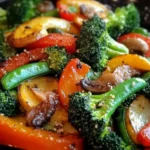
Healthy Sautéed Vegetables are a vibrant and nutritious addition to any meal, perfect for busy weeknights when you need something quick yet satisfying. This colorful medley of seasonal vegetables is not only easy to prepare but also versatile enough to complement various cuisines. With just a handful of fresh ingredients, you can whip up a delightful side dish that enhances the natural flavors of your produce while providing essential nutrients.
- Prep Time: 10 minutes
- Cook Time: 10 minutes
- Total Time: 20 minutes
- Yield: Serves 4
- Category: Side Dish
- Method: Sautéing
- Cuisine: Vegan
Ingredients
- 2 tbsp olive oil
- 2 cloves garlic, minced
- 1 small onion, thinly sliced
- 1 medium bell pepper, sliced
- 1 medium zucchini, sliced into half-moons
- 1 cup broccoli florets
- 1 medium carrot, julienned or sliced thin
- ½ cup snap peas
- ½ cup mushrooms, sliced
- Salt and black pepper, to taste
- 1 tsp lemon juice (optional)
- 1 tsp balsamic vinegar or soy sauce (optional)
Instructions
- Gather all ingredients and wash the vegetables thoroughly. Cut them into uniform sizes for even cooking.
- Heat 2 tablespoons of olive oil in a skillet over medium heat until shimmering.
- Add 2 minced garlic cloves and 1 thinly sliced onion; sauté for about 2 minutes until fragrant.
- Incorporate 1 sliced bell pepper, 1 sliced zucchini, 1 cup broccoli florets, 1 julienned carrot, ½ cup snap peas, and ½ cup sliced mushrooms. Stir well.
- Season with salt and black pepper; cook for 8–10 minutes until tender yet crisp.
- For extra flavor, add optional lemon juice or balsamic vinegar before removing from heat.
- Serve warm and enjoy!
Nutrition
- Serving Size: 1 cup (150g)
- Calories: 120
- Sugar: 4g
- Sodium: 300mg
- Fat: 7g
- Saturated Fat: 1g
- Unsaturated Fat: 6g
- Trans Fat: 0g
- Carbohydrates: 12g
- Fiber: 4g
- Protein: 3g
- Cholesterol: 0mg