Asian Vegetable Stock
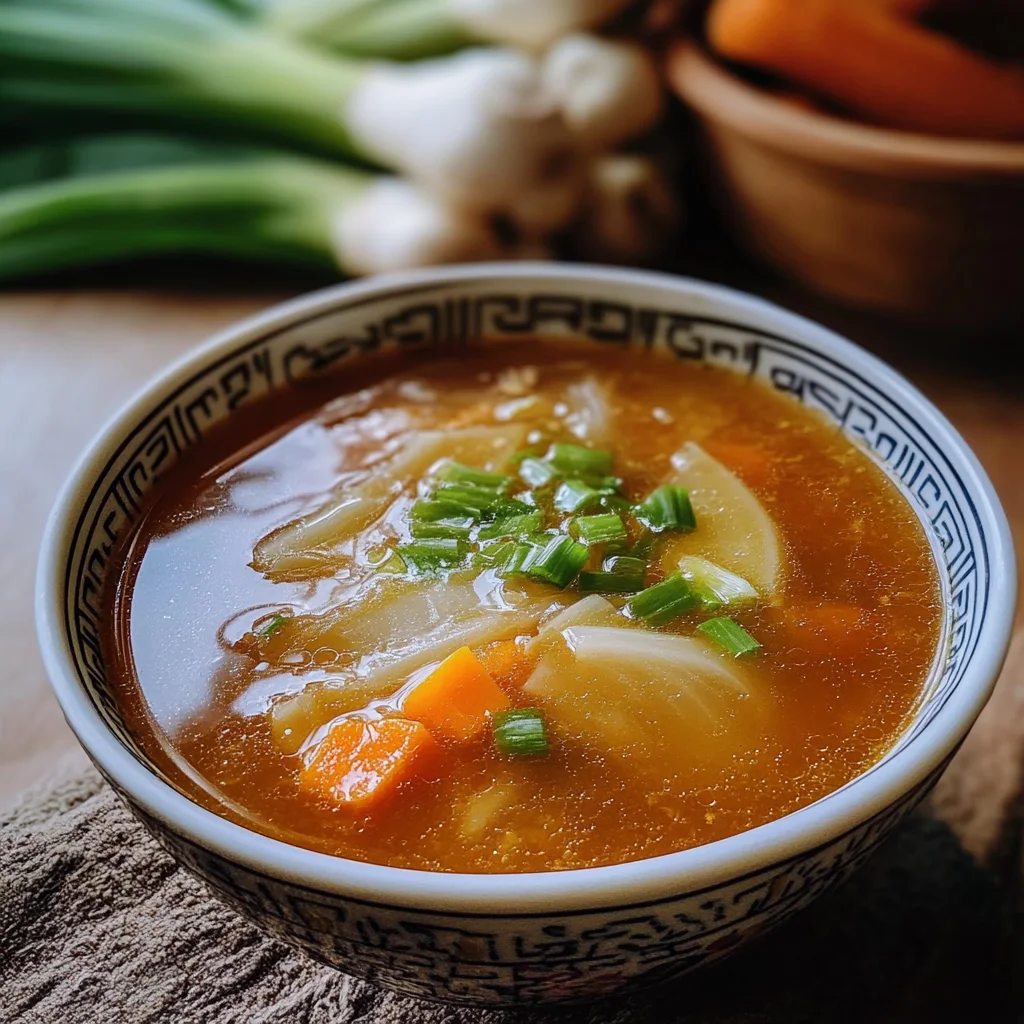
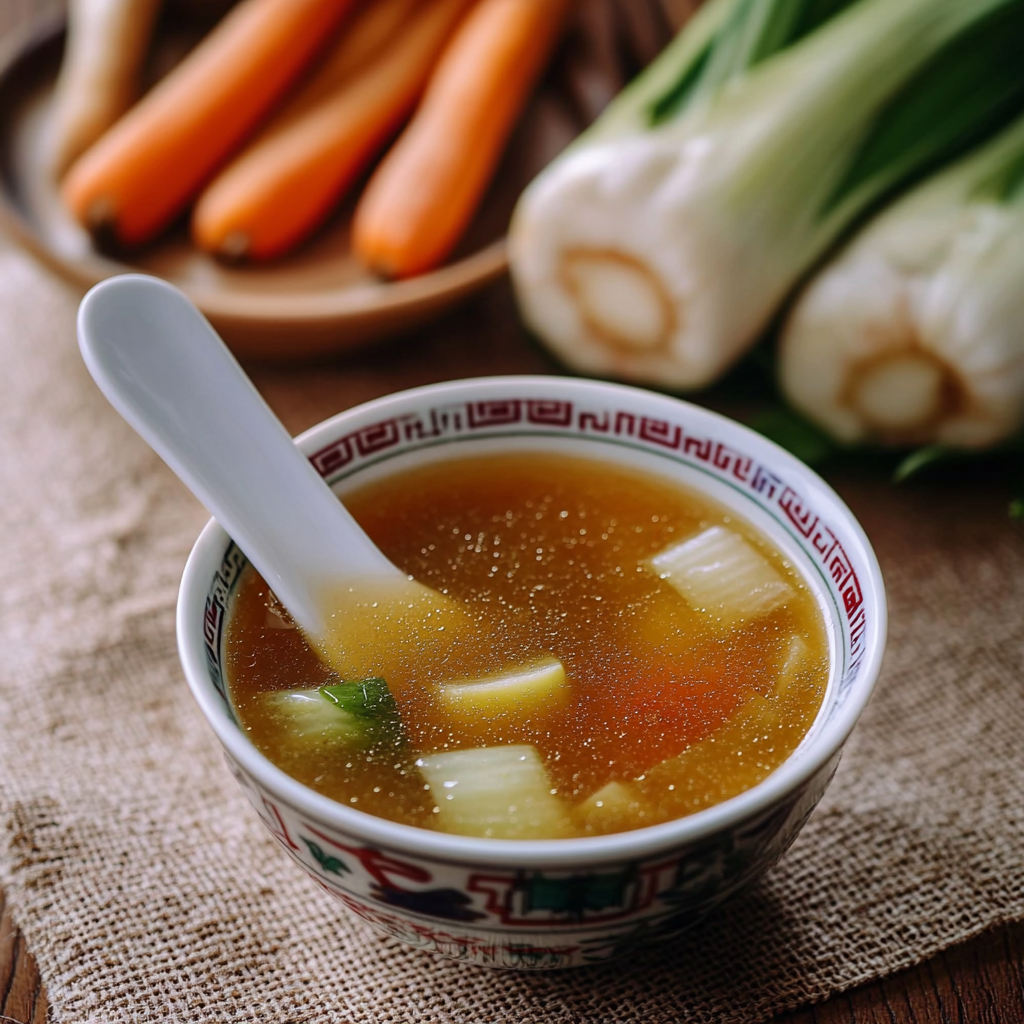
This Asian Vegetable Stock is a flavorful and aromatic base that elevates any soup or noodle dish. Its rich taste makes it perfect for sipping on its own or as a foundation for your favorite recipes. Whether you’re preparing a cozy dinner or hosting a gathering, this stock is versatile enough to suit any occasion. Plus, it’s packed with nutritious vegetables, ensuring your meals are both delicious and wholesome.
Why You’ll Love This Recipe
- Easy to Make: With simple steps and readily available ingredients, this stock can be whipped up with minimal effort.
- Rich Flavor: The combination of roasted napa cabbage, ginger, and shiitake mushrooms creates a deep, satisfying taste.
- Versatile Base: Use it in soups, stews, or as a cooking liquid for grains to enhance flavor without extra effort.
- Nutritious Ingredients: Packed with veggies, this stock provides vitamins and minerals that support your overall health.
- Make Ahead: Prepare large batches and freeze portions for quick use in future meals.
Tools and Preparation
To create an exceptional Asian vegetable stock, having the right tools is essential. These tools will streamline your cooking process and ensure you achieve the best results.
Essential Tools and Equipment
- Large stockpot
- Sheet pan
- Knife
- Cutting board
- Measuring spoons
Importance of Each Tool
- Large stockpot: This allows you to cook all ingredients evenly while providing enough space for the stock to simmer.
- Sheet pan: Perfect for roasting the napa cabbage, enhancing its flavor before adding it to the stock.
- Knife: A sharp knife makes chopping vegetables quick and efficient, ensuring uniform pieces for even cooking.
Ingredients
For the Base
- 1/2 of a napa cabbage (cut in half lengthwise)
- 2 tablespoons vegetable oil (divided)
- 7 slices ginger (20g, or 0.7 oz.)
- 2 cloves garlic (peeled and cut in half)
- 2 cubes white fermented bean curd (0.8 ounces, 23g, optional)
- 1 onion (peeled and quartered)
For Flavoring
- 1 pound carrots (450g, peeled and cut into large chunks)
- 8 scallions (ends removed)
- 8 ounces daikon radish (225g, peeled and cut into chunks)
- 1 5×5 inch piece dried kelp (kombu) (13x13cm, rinsed)
- 16 dried shiitake mushrooms (rinsed)
For Cooking
- 16 cups water (1 gallon, or about 4L)
- Salt (to taste)
How to Make Asian Vegetable Stock
Step 1: Preheat the Oven
Preheat your oven to 375 degrees F. Take your napa cabbage half and cut it in half again lengthwise. Place the cabbage on a sheet pan and drizzle lightly with oil. Roast for about 25 minutes until it becomes tender.
Step 2: Prepare the Stockpot
While the cabbage roasts, heat 1 tablespoon of oil in a large stockpot over medium heat. Add the ginger and garlic; cook for about 2 minutes until they become fragrant but not browned.
Step 3: Combine Ingredients
Add the optional fermented bean curd and cook for another minute. Then include the onion, carrots, scallions, daikon radish, dried kelp, shiitake mushrooms, and water into the pot. Once the napa cabbage is done roasting, add it to the pot as well.
Step 4: Simmer
Bring everything to a boil. Then reduce the heat to low and cover with a lid. Let it simmer gently for 4 hours to allow all flavors to meld beautifully.
Step 5: Strain & Season
After simmering is complete, strain the stock using a fine mesh sieve or cheesecloth. Season with salt to taste before serving or storing.
Enjoy crafting your own Asian vegetable stock that adds incredible depth of flavor to your dishes!
How to Serve Asian Vegetable Stock
Asian vegetable stock is a versatile base that enhances the flavor of many dishes. It can be enjoyed on its own or used as a foundation for soups, sauces, and stews.
As a Warm Broth
- Warm up the stock and sip it directly from a bowl for a comforting drink. Add fresh herbs for extra flavor.
In Noodle Soups
- Use the stock as a base for your favorite noodle soup. Add noodles, vegetables, and protein like chicken or tofu for a hearty meal.
With Rice Dishes
- Incorporate the stock into rice dishes to add depth. Cook rice with vegetable stock instead of water for added flavor.
As a Cooking Liquid
- Utilize the stock when cooking grains or legumes. It will infuse them with an umami taste that elevates simple sides.
In Sauces
- Reduce the stock to create flavorful sauces. Drizzle over grilled vegetables or meats for added richness.
How to Perfect Asian Vegetable Stock
Creating the perfect Asian vegetable stock requires attention to detail and quality ingredients. Here are some tips to enhance your stock-making skills.
- Use Fresh Ingredients: Fresh vegetables and herbs provide more flavor than dried alternatives. Choose vibrant, high-quality produce for the best results.
- Adjust Roasting Time: Roasting vegetables like napa cabbage adds depth of flavor. Keep an eye on them to avoid burning while ensuring they caramelize nicely.
- Balance Flavors: Taste your stock throughout the cooking process. Adjust with salt or additional ingredients as needed to achieve the desired flavor profile.
- Strain Thoroughly: Ensure you strain the stock well after simmering. This removes solids and results in a clear, rich liquid.
- Store Properly: If making large batches, store in airtight containers in the fridge or freezer. This allows you to have homemade stock ready whenever needed.
Best Side Dishes for Asian Vegetable Stock
Pairing side dishes with your Asian vegetable stock can create a complete meal experience. Here are some fantastic options.
- Steamed Dumplings: Lightly filled with vegetables or chicken, these dumplings complement the flavors of your broth perfectly.
- Vegetable Spring Rolls: Crisp and fresh, spring rolls filled with greens add crunch and contrast to warm stocks.
- Fried Rice: Use leftover rice sautéed with vegetables and soy sauce for a quick side dish that pairs beautifully.
- Sesame Noodles: Cold sesame noodles tossed in a light sauce offer a refreshing side that balances out hot soups.
- Stir-Fried Bok Choy: Sauté bok choy in garlic and ginger for a simple yet flavorful green side dish.
- Cucumber Salad: A tangy cucumber salad adds brightness and crunch, making it an excellent accompaniment to any broth-based dish.
- Miso Soup: A small bowl of miso soup provides additional umami flavors while keeping with the Asian theme.
- Edamame Beans: Steamed edamame sprinkled with sea salt makes for an easy snack that complements any meal featuring vegetable stock.
Common Mistakes to Avoid
When making Asian vegetable stock, it’s easy to make a few common errors. Here are some tips to ensure you get it right.
- Bold Ingredients: Using the wrong ingredients can change the flavor profile. Stick to vegetables and herbs that complement the dish.
- Overcooking Vegetables: Cooking vegetables for too long can result in a bitter taste. Aim for the right simmering time to extract flavors without bitterness.
- Insufficient Seasoning: Not adding enough salt can lead to a bland stock. Taste as you go and adjust seasoning at the end.
- Skipping Roasting: Roasting vegetables enhances their flavors. Don’t skip this step; it adds depth to your stock.
- Not Straining Properly: Failing to strain the stock well can leave unwanted bits in your final product. Use a fine mesh strainer for a clear stock.
Storage & Reheating Instructions
Refrigerator Storage
- Store in an airtight container.
- Keeps well for up to 5 days.
Freezing Asian Vegetable Stock
- Freeze in portions using freezer-safe bags or containers.
- Can be stored for up to 6 months.
Reheating Asian Vegetable Stock
- Oven: Pour stock into an oven-safe pot and heat at 350°F until warmed through.
- Microwave: Transfer stock to a microwave-safe bowl and heat in 1-minute intervals, stirring in between.
- Stovetop: Heat over medium heat in a saucepan until just boiling, stirring occasionally.
Frequently Asked Questions
Here are some frequently asked questions about Asian vegetable stock.
What is Asian Vegetable Stock?
Asian vegetable stock is a flavorful broth made from various vegetables and herbs, perfect as a base for soups and noodle dishes.
How long does it take to make Asian Vegetable Stock?
The total time includes about 15 minutes of prep and 300 minutes of simmering, resulting in rich flavors.
Can I customize my Asian Vegetable Stock?
Absolutely! Feel free to add different vegetables or spices based on your preferences or what you have available at home.
How do I know if my Asian Vegetable Stock is done?
The stock is done when it has developed a rich flavor after simmering for several hours. Taste it before straining!
Final Thoughts
Asian vegetable stock is not only delicious but also incredibly versatile. You can sip it on its own or use it as a base for various dishes. Feel free to customize with your favorite veggies and herbs for a personal touch!
Asian Vegetable Stock
Asian Vegetable Stock is a robust and aromatic broth that serves as an excellent foundation for soups, stews, and noodle dishes. Crafted from a delightful blend of fresh vegetables and fragrant spices, this stock not only enhances your meals but also provides numerous health benefits. Packed with vitamins and minerals, it’s perfect for sipping on its own or using as a cooking liquid to elevate your favorite recipes. The versatility of this stock makes it an essential staple in any kitchen, especially when you want to create comforting dishes without the hassle.
- Prep Time: 15 minutes
- Cook Time: 240 minutes
- Total Time: 4 hours 15 minutes
- Yield: Approximately 8 servings 1x
- Category: Soup
- Method: Simmering
- Cuisine: Asian
Ingredients
- 1/2 napa cabbage
- 2 tablespoons vegetable oil (divided)
- 7 slices ginger (20g, or 0.7 oz.)
- 2 cloves garlic (peeled and cut in half)
- 2 cubes white fermented bean curd (0.8 ounces, 23g, optional)
- 1 onion (peeled and quartered)
- 1 pound carrots (450g, peeled and cut into large chunks)
- 8 scallions (ends removed)
- 8 ounces daikon radish (225g, peeled and cut into chunks)
- 1 5×5 inch piece dried kelp (kombu) (13x13cm, rinsed)
- 16 dried shiitake mushrooms (rinsed)
- 16 cups water (1 gallon, or about 4L)
- Salt (to taste)
Instructions
- Preheat your oven to 375°F. Cut napa cabbage in half lengthwise, drizzle with vegetable oil, and roast for about 25 minutes until tender.
- In a large stockpot, heat one tablespoon of oil over medium heat. Add ginger and garlic; cook for about 2 minutes until fragrant.
- Add onion, carrots, scallions, daikon radish, dried kelp (kombu), shiitake mushrooms, and water into the pot. Once the napa cabbage is roasted, add it to the mixture.
- Bring to a boil, reduce heat to low, cover, and simmer for about 4 hours.
- Strain the stock through a fine mesh sieve or cheesecloth and season with salt to taste.
Nutrition
- Serving Size: 1 serving
- Calories: 45
- Sugar: 6g
- Sodium: 230mg
- Fat: 2g
- Saturated Fat: 0g
- Unsaturated Fat: 2g
- Trans Fat: 0g
- Carbohydrates: 10g
- Fiber: 2g
- Protein: 2g
- Cholesterol: 0mg